
Tune in & follow along
Find support wherever you scroll.
New podcast episodes on Spotify, practical recorded trainings on YouTube, and daily connection on Instagram and TikTok — all built for military spouses, girlfriends, and partners.
Connection through every season.
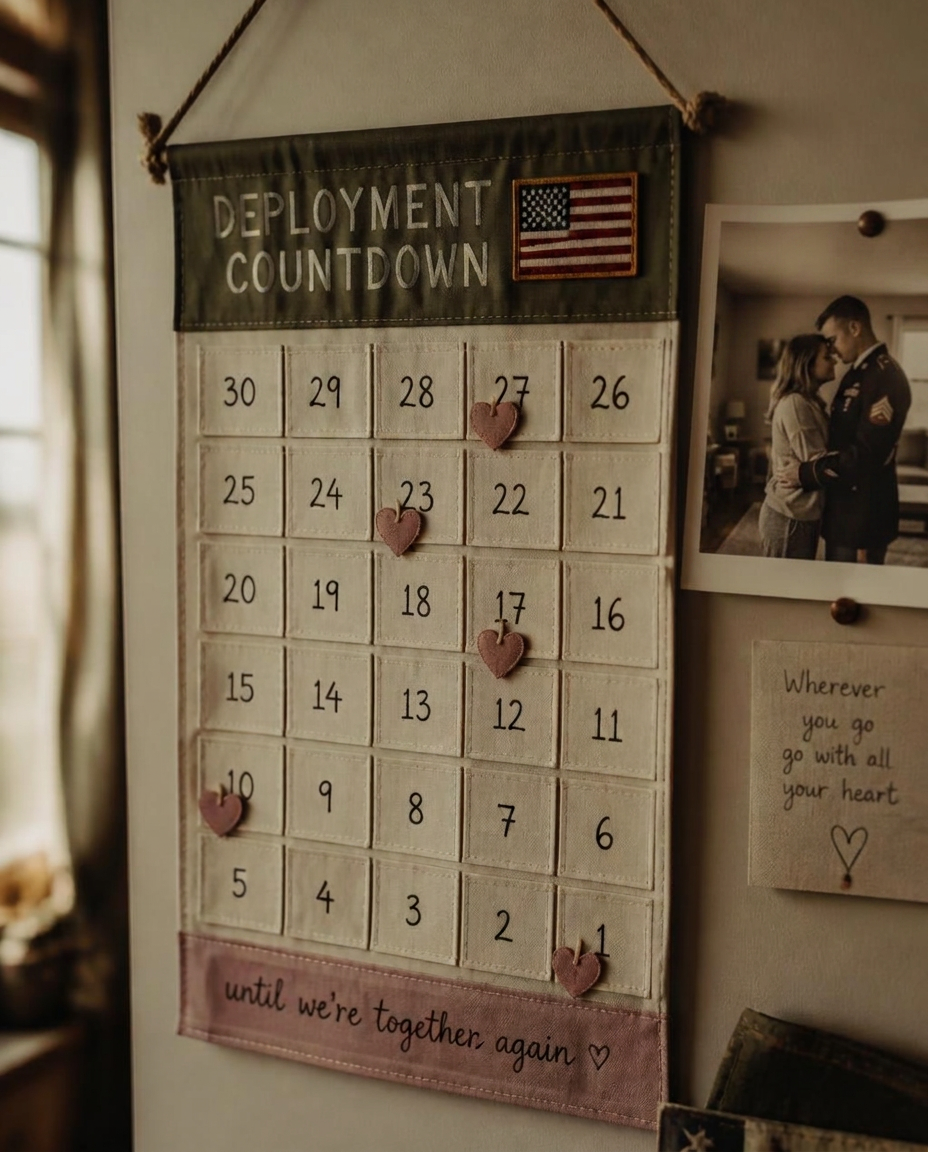
Military relationships face pressures most civilian couples never see: deployments, limited contact, long-distance seasons, and constant relocation. When those relationships fray, service members lose focus, retention suffers, and national security is weakened. Call Sign Pink Foundation exists to give military spouses, girlfriends, and partners the education, connection, and support that keeps relationships — and the force — strong.
Why this matters
DoD, Military OneSource, and the Millennium Cohort Family Study all confirm the same thing: relationship health shapes mission focus and family readiness.
Mission
DoD says a strong, healthy marriage contributes to family readiness and the service member's ability to focus on the mission.
Communication as a critical skill
Skills
Military OneSource notes military relationships require skills responsive to circumstances civilian couples may not face.
Deployments, separations, relocations
Family
The Millennium Cohort Family Study ties family communication and support to marital quality, mental health, and military satisfaction.
Family-centered resilience
Per DoD, a strong, healthy marriage contributes to family readiness and the service member's ability to focus on the mission, and communication is a critical relationship skill. Military OneSource notes military relationships require skills responsive to circumstances — deployments, prolonged separations, frequent relocations. The DoD Millennium Cohort Family Study reports that strengths in family communication, social support, and shared belief systems are associated with better marital quality, mental health, and military satisfaction. When those supports fail, the cost is measured in distracted service members, fractured families, and weakened retention — a national security concern, not only a personal one.
Longitudinal evidence
The Harvard Study of Adult Development found that strong, close relationships are the single strongest predictor of lifelong health and happiness.
Study by Dr. Robert Waldinger
The readiness gap
The data tell a clear story: military relationships are under extraordinary pressure, and that pressure has real human and readiness costs. They also show that the right support can change the outcome.
Lower divorce rate with relationship education
In a randomized trial of 476 married Army couples, those who received relationship and communication education had about a 67% lower divorce rate during the study period.
Military spouses report low marital quality
The Millennium Cohort Family Study found one in five military spouses reported low marital quality — a direct readiness signal.
Active-duty divorces in 2022
Roughly 3% of married active-duty members divorced that year, plus 7,951 Reservists. Relationship breakdown is a measurable force risk.
Intimate-partner problems in Army suicide deaths
A peer-reviewed study identified relationship problems in more than half of Army suicide deaths. Suicide is multifactorial; these findings support relationship strengthening as one upstream prevention strategy.
Military relationship strain is a documented readiness risk. The DoD Millennium Cohort Family Study ties work-family conflict, financial strain, and weak support networks to marital strain, with one in five spouses reporting low marital quality. In 2022, roughly 3% of married active-duty members divorced (19,689), plus 7,951 Reservists. Yet peer-reviewed research also shows hope: a randomized trial of 476 married Army couples found relationship and communication education was followed by about a 67% lower divorce rate during the study period. Peer-reviewed research also links intimate-partner problems to 54% of Army suicide deaths, underscoring why relationship strengthening is an upstream prevention strategy. Sources: DoD Millennium Cohort Family Study via Military OneSource; OneOp analysis of DoD data; Stanley et al., 2010; follow-on Army PREP/Strong Bonds trial; Logan et al., 2015; U.S. Department of Defense, CY 2024 suicide-event data.
The cost of readiness
Work & career
Military spouse unemployment
Job loss and income instability are leading stressors couples bring into support spaces.
Hold an advanced degree
Highly trained spouses are forced into roles that undervalue them and erode household stability.
Work in the field they trained for
Underemployment means wasted talent and persistent financial pressure — a documented risk factor for marital strain.
Pay gap for female spouses
Lower earnings widen financial stress and reshape partnership dynamics at home.
Average job search
Months of searching between moves drains savings and patience before the next transition begins.
Want more education or training but cannot access it
Blocked advancement breeds frustration that follows families home from every duty station.
Finances & family
Report earnings insufficient for household needs
Financial strain is a key risk factor for marital strain in the Millennium Cohort Family Study.
Take 2+ months to find child care after a move
A practical family stressor that often falls heavily on one partner and reshapes daily life.
Wellness
Felt nervous or anxious
In a two-week period. Career disruption and isolation take a measurable mental health toll.
Felt down or hopeless
The wellness burden of military life affects the whole family system, not just the job seeker.
Roughly 70% of military spouses are in the labor force, yet 21–24% remain unemployed. The DoD Millennium Cohort Family Study identifies financial strain as a key risk factor for marital strain — making spouse unemployment a relationship and readiness issue, not only an economic one. From The Cost of Readiness: Military Spouse Unemployment by co-founder Sydney Parrella. Sources: DoD 2024 Active Duty Spouse Survey; DoD Military Spouse Demographics and Employment Report; Penn State Clearinghouse; Bureau of Labor Statistics; Blue Star Families 2024 MFLS; DoD Millennium Cohort Family Study via Military OneSource.
The founders
Co-founded by Jennifer and Sydney Parrella — mother-in-law and daughter-in-law — who grew close supporting each other through the challenges of military life.
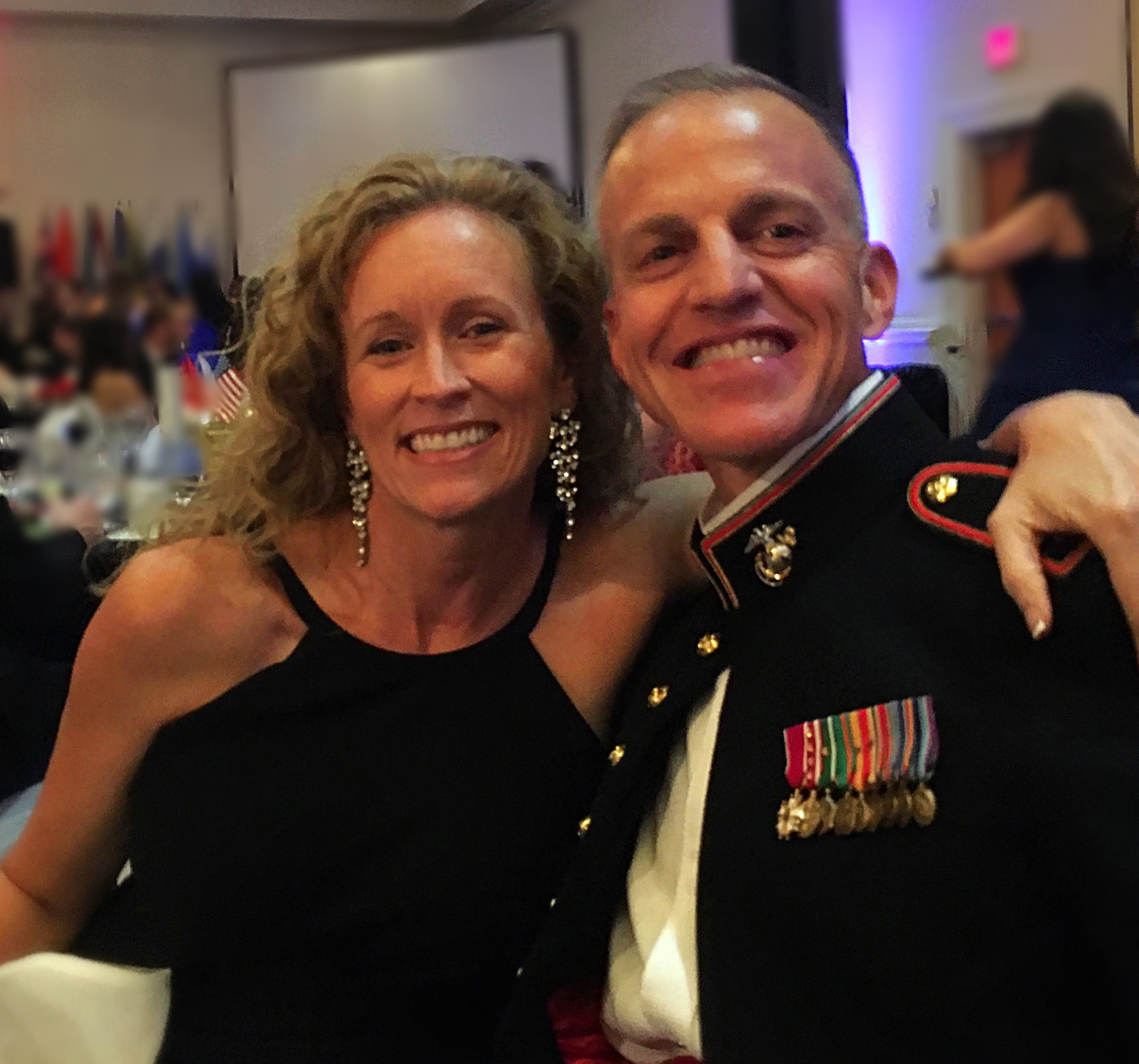
Co-founder · MS, LPC, LCMHC, NCC
A Marine Corps spouse of over 20 years and a licensed therapist with two decades of clinical experience, Jennifer is the founder of Decoding Relationships and a certified clinical supervisor, trauma therapist, and nationally certified counselor. She leads our group therapy and education sessions.
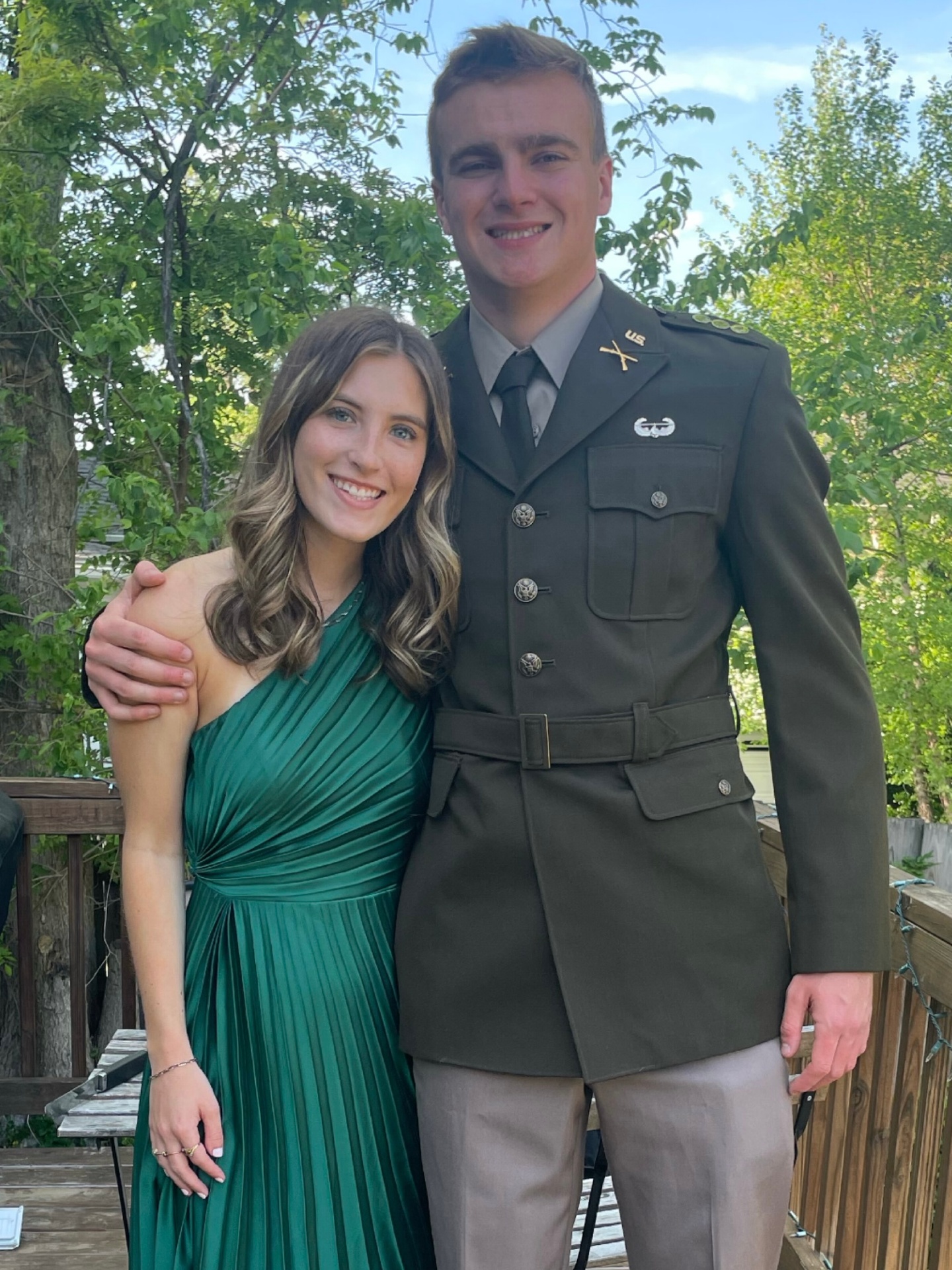
Co-founder · BA, Duke · Duke Law
A new Army spouse, Sydney holds a BA in public policy from Duke University and is a current Duke Law student. She coaches aspiring college and law students and serves as our designated researcher and policy expert.
Programs
Free weekly small, moderated circles where military couples and individuals — spouses, girlfriends, and partners — process deployment, separation, transitions, and the in-between.
Weekly · Facilitated · No cost
Relationship-focused skill-building for the realities of military life — delivered on bases and virtually.
On bases · Virtual
Honest conversations and recorded trainings on Spotify and YouTube — stories and tools for every season.
New episodes monthly
What we cover
Our trainings and educational sessions provide relationship-focused tools for navigating the unique challenges of military life — on bases and virtually.
Develop healthy communication habits, navigate disagreements, and repair conflict before it becomes distance.
Build intimacy and emotional connection during deployments, training, long-distance seasons, and limited communication.
Strengthen relationships, manage stress, and maintain a healthy partnership through the demands of military life.
Prepare for and navigate the transition back to everyday life after extended periods apart.
Cope with stress, uncertainty, loneliness, and the emotional demands of being a military partner.
Manage expectations, maintain connection in whatever ways are available, and support yourself when communication is limited.
Practical strategies couples can use to strengthen trust, connection, adaptability, and resilience.
Weekly sessions · No cost
We're gathering interest for a small, moderated virtual session designed to help military couples — and individuals — build connection and navigate the unique pressures of military life. Come solo or with your partner, at no cost to you.
Free for military couples and individuals — spouses, girlfriends, and partners welcome
Weekly · Virtual
Dates and times to be announced
Come solo or with your partner
Enter your details and we'll reach out as soon as the first session is scheduled.
Tune in & follow along
New podcast episodes on Spotify, practical recorded trainings on YouTube, and daily connection on Instagram and TikTok — all built for military spouses, girlfriends, and partners.
Shape our trainings
Have a question, situation, or topic you want addressed in an upcoming YouTube training? Send it to us and we'll shape future sessions around what you actually need.
Relationship challenges during deployment or separation
Communication, conflict, and reintegration
Mental wellness and resilience for military partners
Share your name, email, and the topic or question you'd like us to address.
From our families
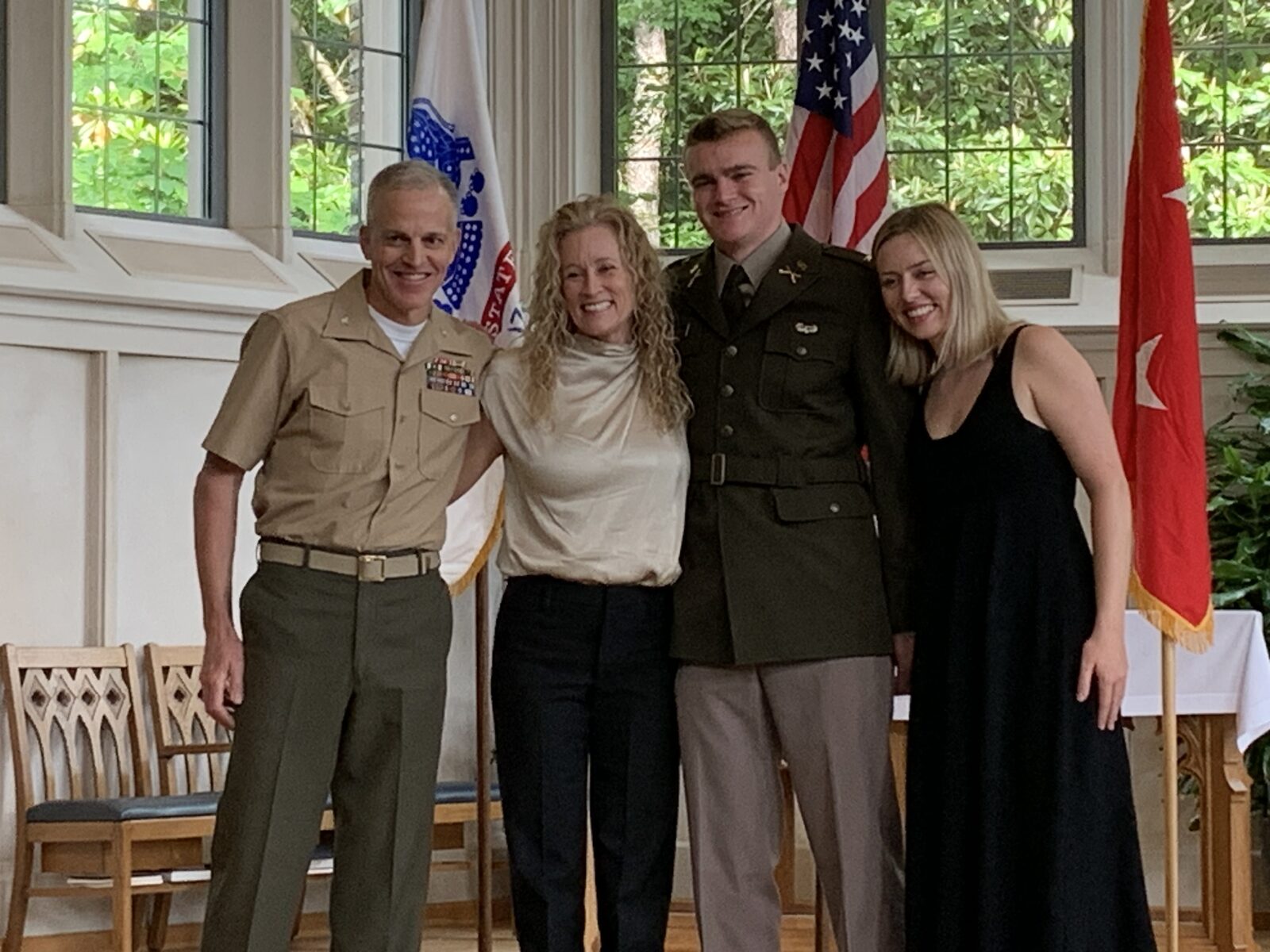
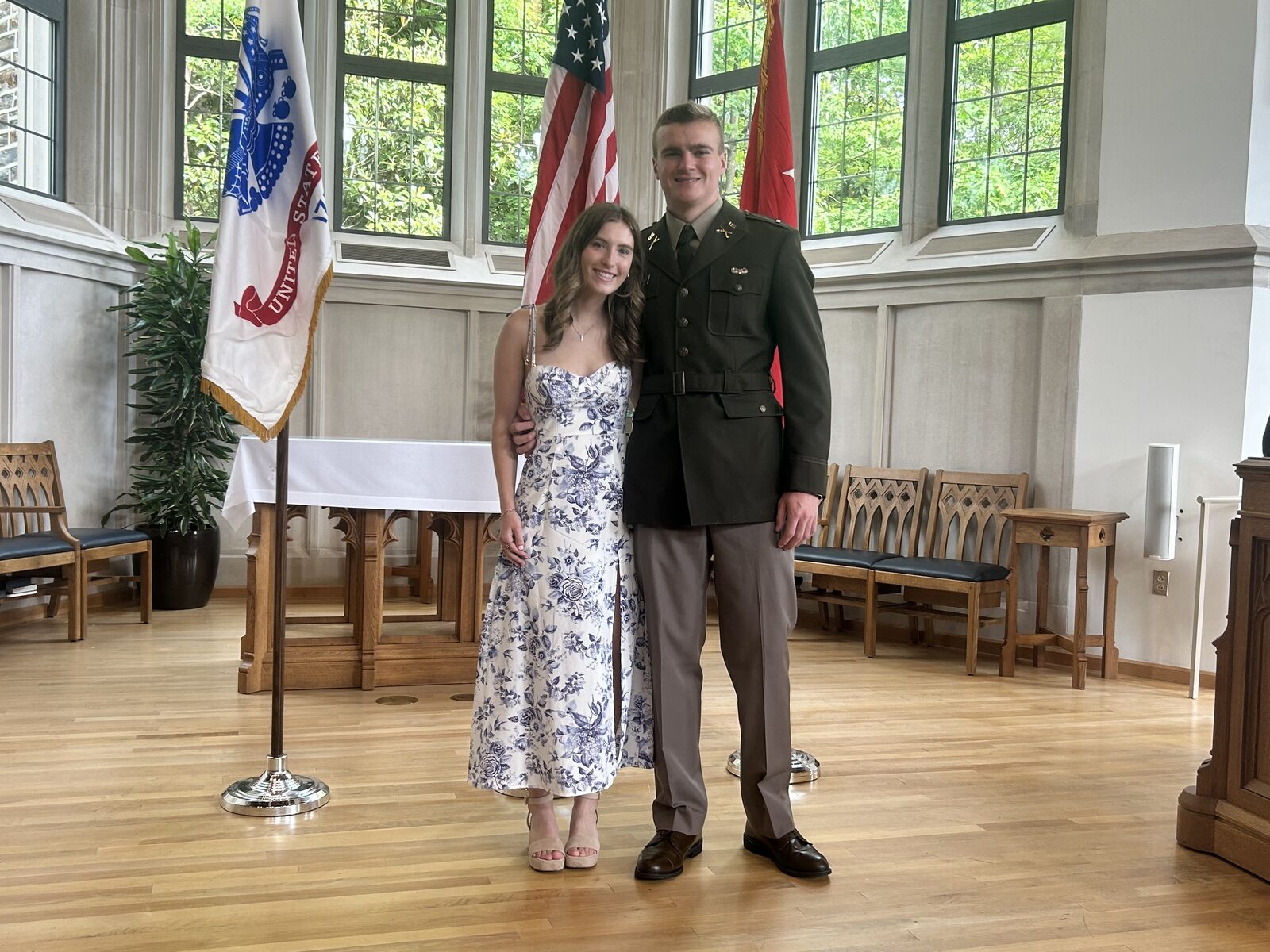
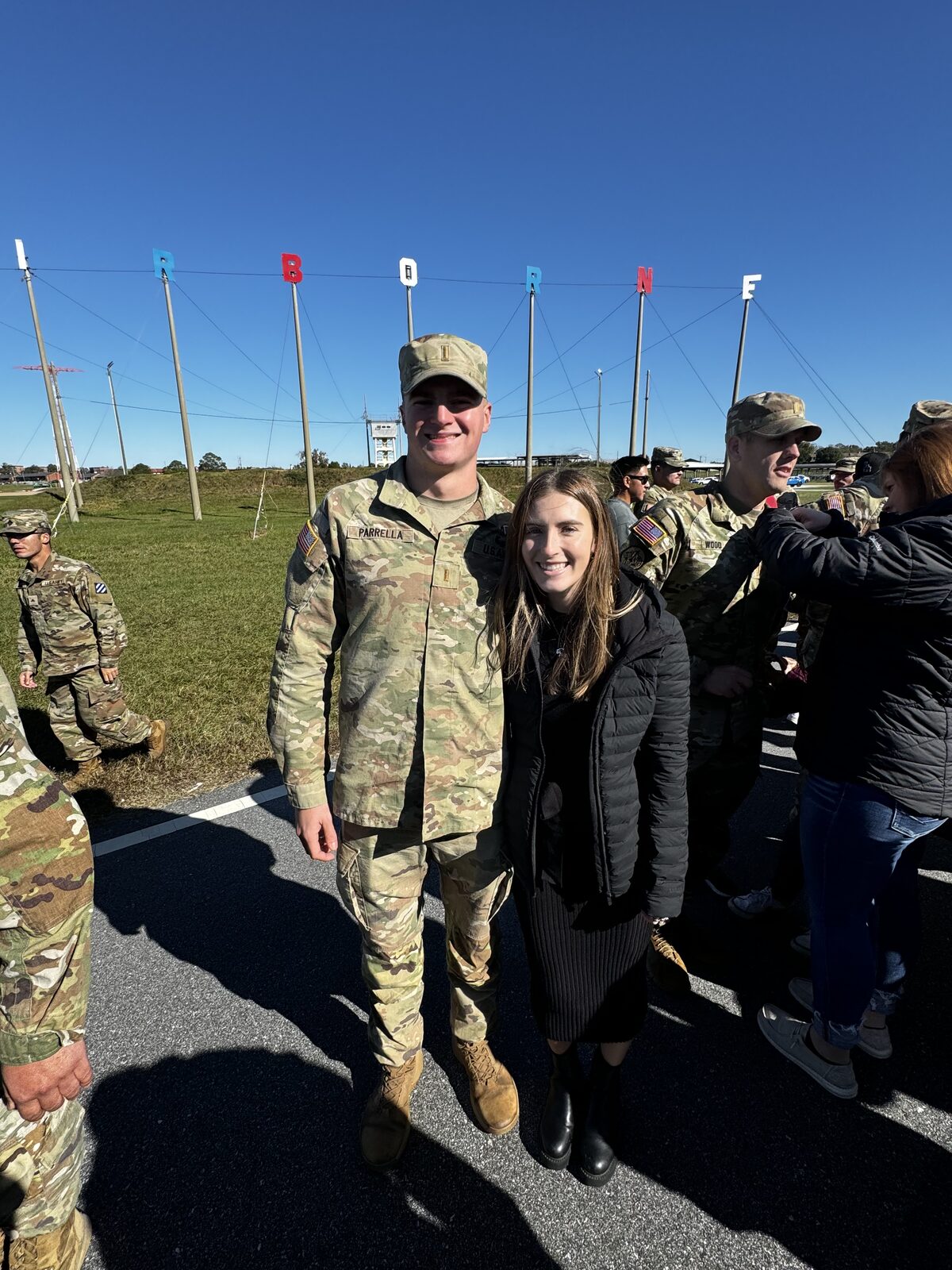
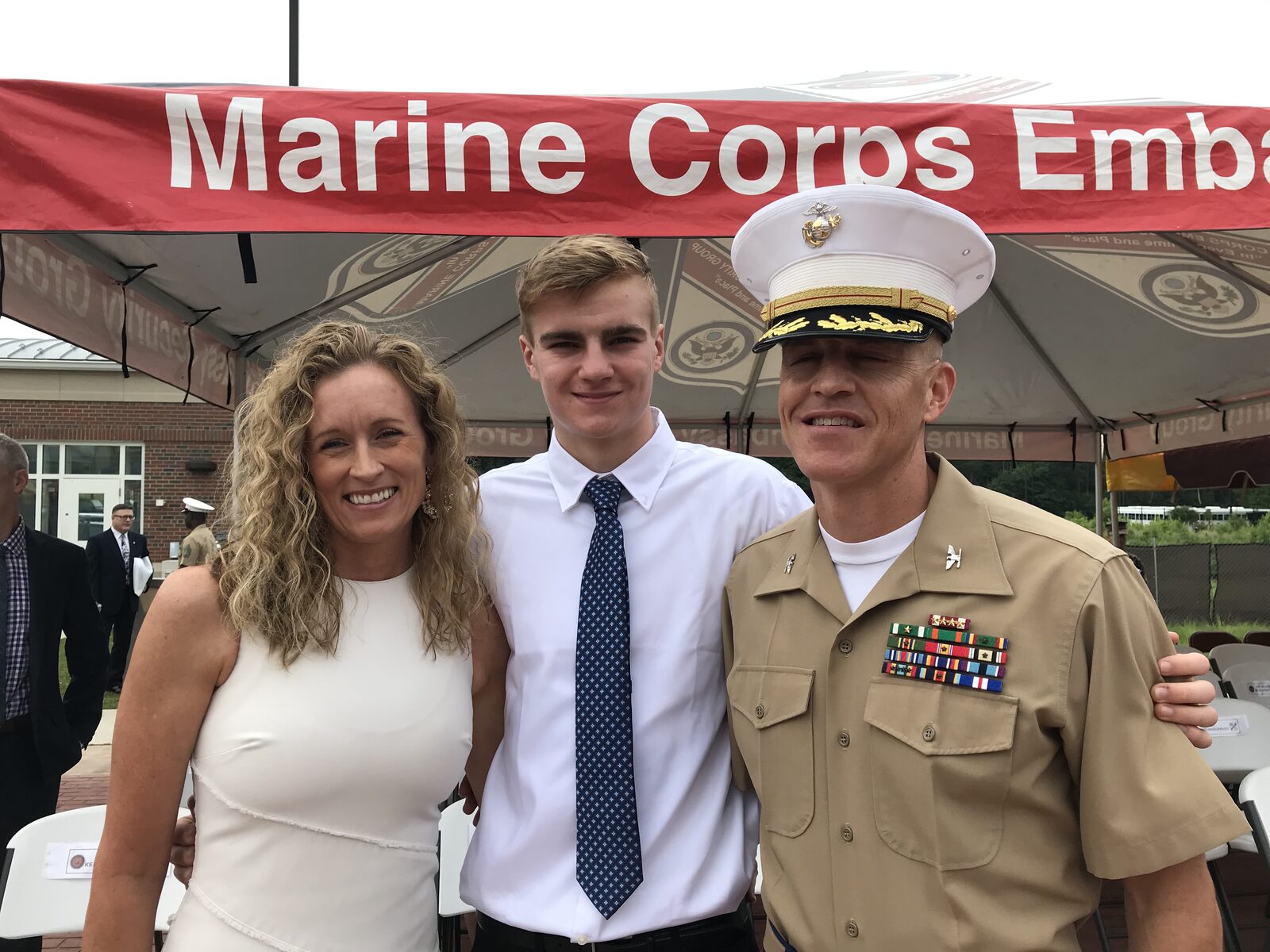
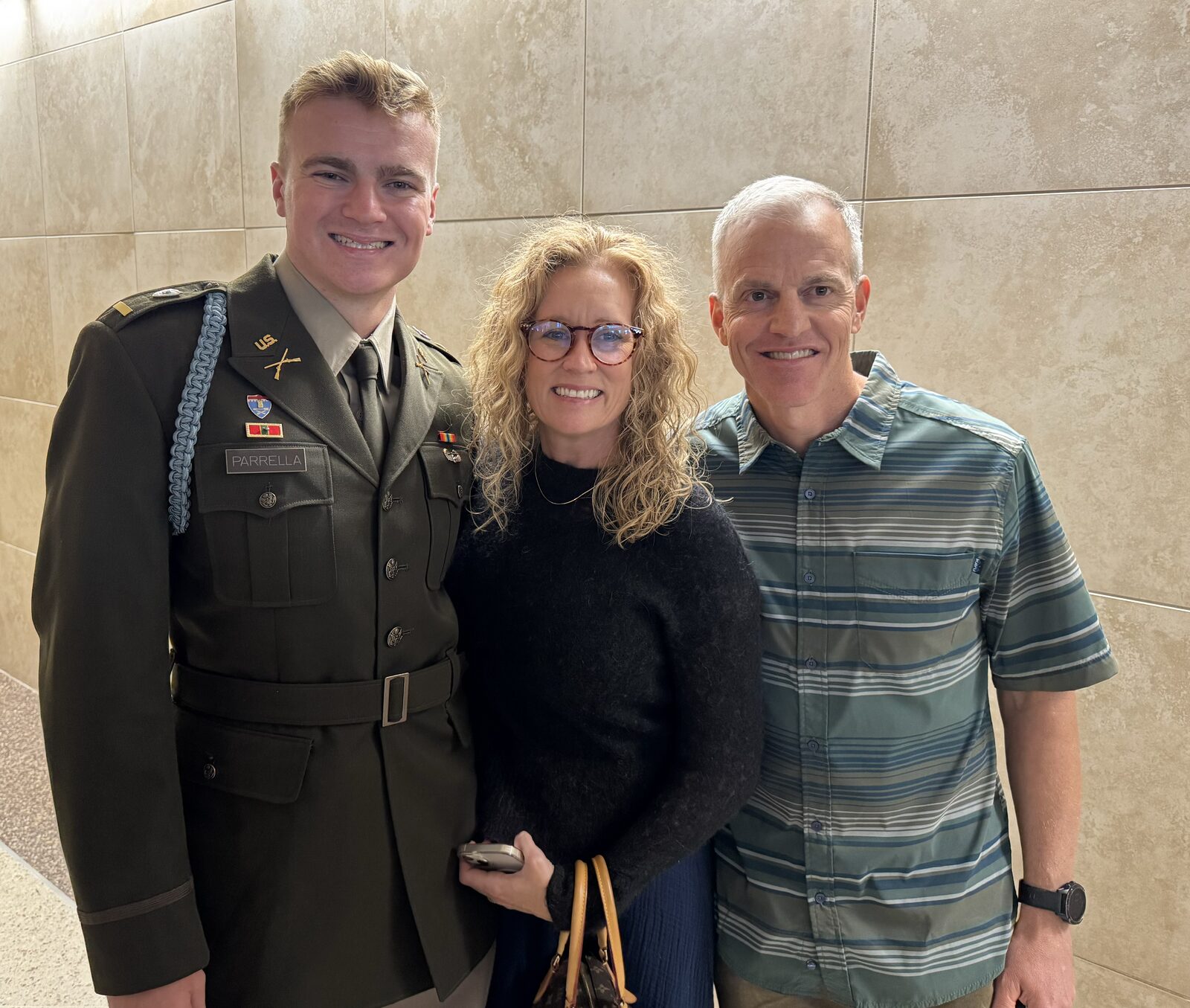
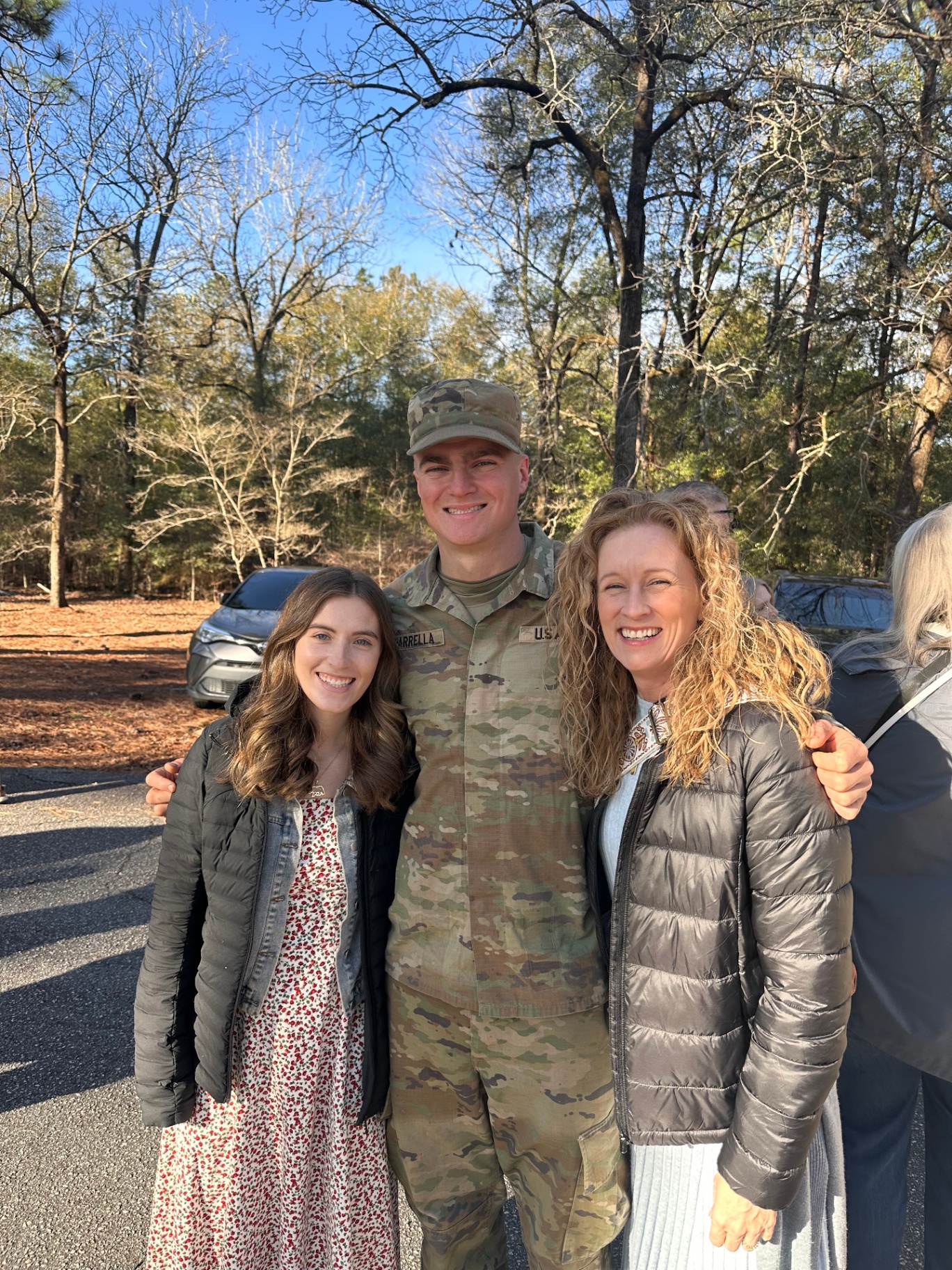
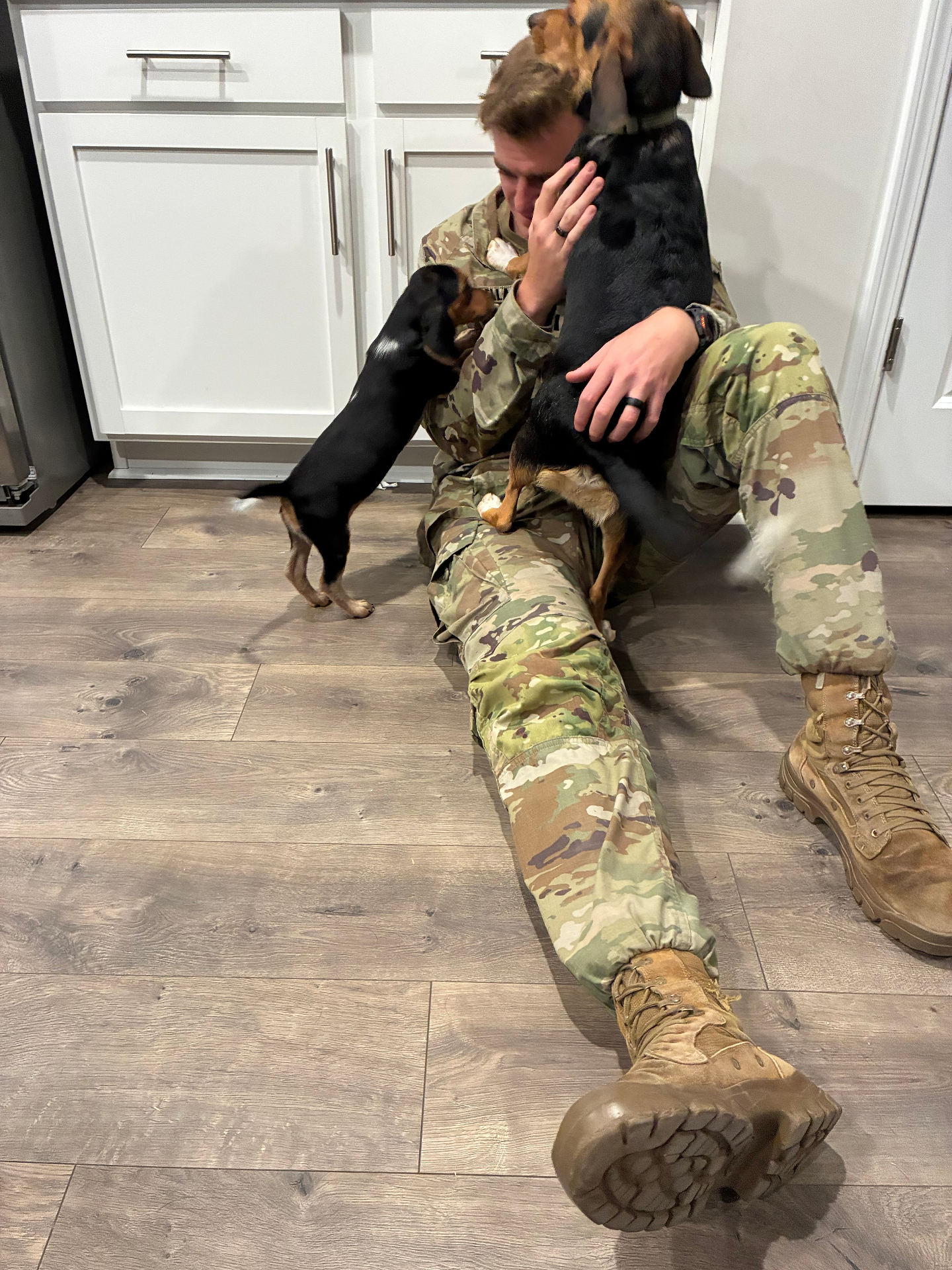
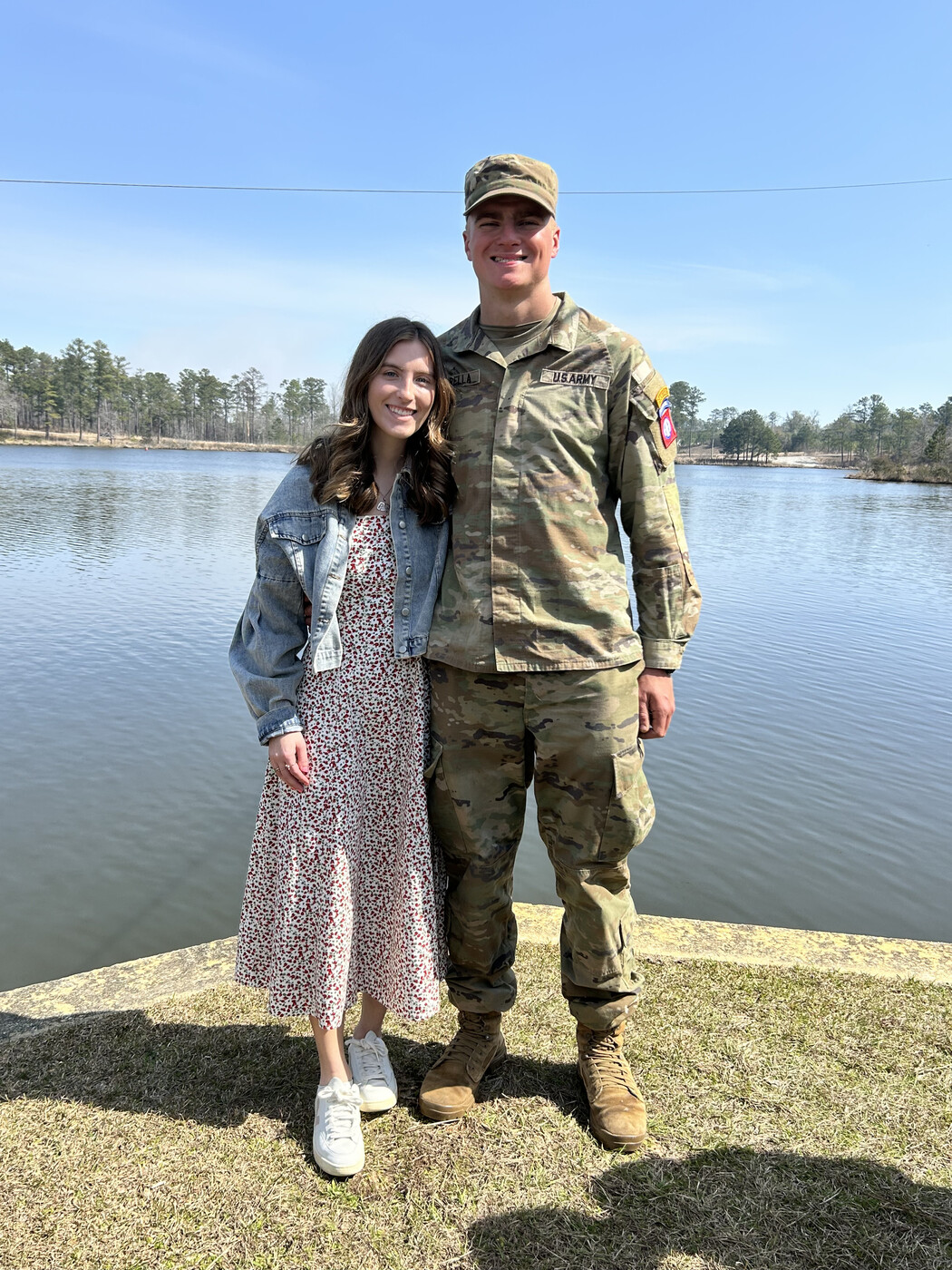
Moments from the Parrella family — two generations of military relationships, across the Marine Corps and the Army.
Support the mission
Provide relationship support through group sessions and educational programming
Bring trainings to military bases and military communities
Develop practical resources for communication, conflict, reintegration, long-distance relationships, and wellness
Reach more families through marketing and community outreach
Build partnerships with military organizations and relationship professionals
Cover essential startup and operating costs that allow us to grow sustainably
Expand our digital presence so families can access support wherever they are